
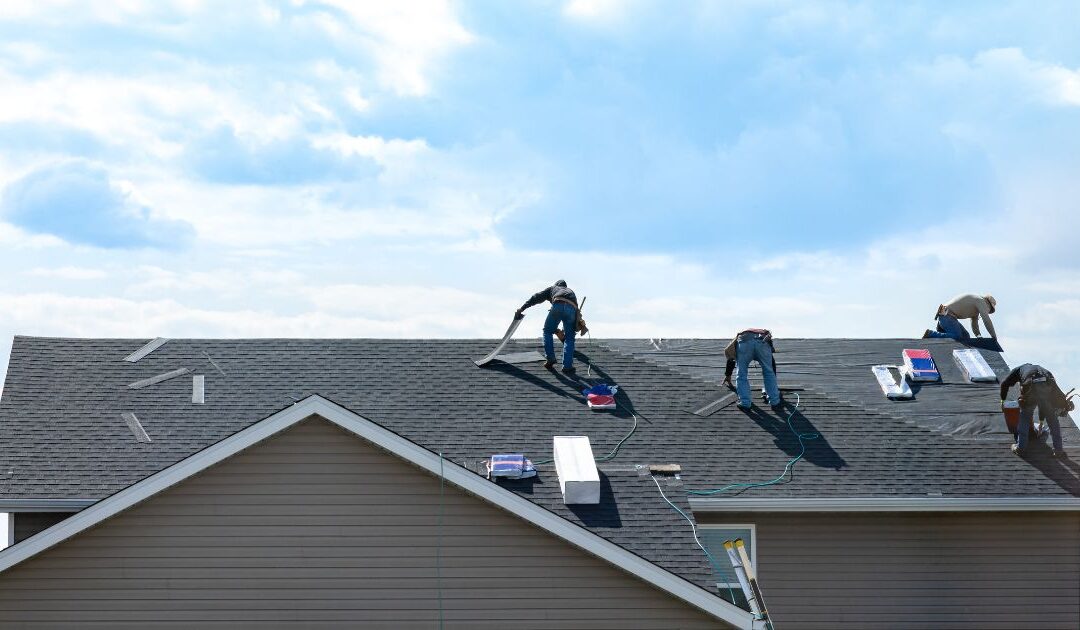
When you look at your roof, the shingles are the stars of the show. They provide curb appeal, color, and the first line of defense against the elements. It’s true that shingles are essential in protecting your home, but they can’t do it alone.
A competent roofer will address all parts of your roof during a replacement, including the “hidden” aspects – underlayment, flashing, and ventilation. By familiarizing yourself with these important elements, you can better prepare for your roofing project and understand the value you receive during a full roofing system replacement.
Underlayment: The Water-Resistant Seal
Most roofs have a wooden roof deck, on which the shingles or other roofing material sit. The underlayment is the water-resistant barrier that is installed between the two.
During severe storms, strong winds can lift shingles and even remove them completely. This allows water to seep between the gaps – or flood between them, depending on the severity of the storm. The underlayment provides a final layer of defense that keeps this water from entering your home.
Underlayment also serves a secondary purpose. Without this barrier between the shingles and the decking, the leaking natural resins from the wood can degrade the asphalt in the shingles. Fortunately, properly installed underlayment acts as a protective barrier, blocking those resins from harming your shingles and prolonging the life of your roof.
Types of Underlayment
The pitch of your roof, the weather in your area, and your budget will determine the right type of underlayment for your roof. Low-slope roofs require additional layers of underlayment, while roofs with steeper slopes generally only require a single layer. The type of fastener used to connect the underlayment to the roof deck can also vary based on the wind-resistance needed in a particular geographical area.
There are three main types of underlayment:
- Asphalt-saturated felt. This type of underlayment is often called “tar paper,” and it is the traditional choice due to its affordability. However, some versions can tear when exposed to strong winds.
- Synthetic underlayment. This modern solution is made of tough polymers that are more tear-resistant than tar paper and don’t absorb moisture.
- Rubberized asphalt. This self-healing membrane has a self-adhesive back that sticks to the deck, sealing nail holes to improve water resistance.
High-quality underlayment, like CertainTeed’s RoofRunner, adheres to the roof deck to provide additional protection from leaks and high winds. It works in conjunction with the shingles to provide long-lasting, warrantied weather resistance.
For homes on the Gulf Coast, where high winds are a significant concern, the FORTIFIED Roof standard helps to improve storm resistance past general building codes. Roofs installed to this standard require even more stringent underlayment requirements like #30 felt, the thicker of the tar paper options, or synthetics with enhanced tear resistance and tensile strength.
Overall, underlayment is a vital component of a waterproof roof, and it serves as a final layer of protection against water intrusion. Fortunately, modern innovations have made this roofing component even stronger, particularly against high winds that older solutions couldn’t withstand.
Flashing: Additional Protection for Vulnerable Junctures
Most roofs aren’t completely flat. They typically have corners, chimneys, and points where two surfaces meet. These areas are vulnerable to water that seeps between seams, so flashing is used as a reinforcement.
Flashing consists of thin metal strips used to cover vulnerable seams and direct water away from them. The most common areas where flashing is used are valleys, vertical structures, and eaves.
Valleys
Valleys are the seams where two surfaces of a roof meet to form a V shape. These areas channel a significant amount of water, especially during heavy rainstorms. Flashing reinforces these seams to prevent the rushing water from eroding the shingles or seeping into the roof deck.
Vertical Structures
Wherever your roof meets a vertical structure – like a chimney, dormer wall, or second-story side wall – you have a potential leak point. “Counter-flashing” is used here, and it involves tucking metal into the masonry or siding and overlapping it onto the roof to create a watertight effect.
Eaves and Drip Edges
The edges of your roof are particularly susceptible to wind uplift. A drip edge is a specific type of flashing installed along the eaves that leads water into the gutters and away from fascia boards – the trim behind the gutters. Drip edges also prevent wind from lifting the most vulnerable shingles on the edges of your roof.
Local building codes specify which types of flashing and installation methods are required. FORTIFIED Roofs take this a step further and require new flashing for roofs – rather than reused materials – as well as specific attachments and types of flashing for drip edges.
In summary, flashing helps protect the most vulnerable areas of your roof. This additional protection improves resistance to water and wind, extending the useful life of your roof.
Ventilation: Letting Your Roof Breathe
It may seem counterintuitive to think that there are intentional “holes” in your roof, considering the main purpose of the roof is to keep water out. However, ventilation is an essential component of a roofing system that regulates temperature and moisture inside your attic in various ways as the seasons change.
Ventilation in the Summer
A 90-degree day can cause the temperature in your attic to soar upwards of 140 degrees. The extreme heat “bakes” your shingles from the bottom, causing them to become brittle and lose their protective granules. Further, heat from your attic radiates downward. This forces your air conditioner and other appliances to work harder, which drives up your energy bills.
With proper ventilation, hot air escapes the attic and cool air enters it. This helps regulate the temperature, which keeps shingles safe and reduces the strain on your air conditioning unit.
Ventilation in the Winter
In the colder months, warm, moist air rises from your heated home into the cold attic. Without proper ventilation, this warm air hits much colder air and condenses into droplets. That excess water causes wood to rot, mold and mildew to grow, and lowers the effectiveness of your insulation.
On the other hand, a properly ventilated attic allows warm, moist air to escape and balance with the outside air. The mechanics of ventilation to reduce condensation are surprisingly simple given the profound impact they have on your entire home.
The Mechanics of Ventilation
Most modern homes use a non-mechanical ventilation system that relies on simple physics to regulate the attic temperature. In short, it works on the principle that hot air rises.
The ventilation system consists of intake vents and exhaust vents. Intake vents are located in soffits or near roof edges and they pull cool, fresh air into the attic from the lowest point. Exhaust vents are placed at or near the ‘ridge’ or highest point of the roof, and they allow hot, moist air to escape as it rises.
When installed correctly, the wind creates a natural pressure differential that sucks the hot air out of the exhaust vents and pulls the cool air in through the intake vents. This keeps your attic more closely aligned with the outside temperature.
When you invest in a roof replacement from a reputable roofer, you get more than new shingles. You get a complete roofing system that keeps your energy bills manageable, your air clean, and your attic cool.
Get A Full Roofing System Upgrade from Complete Roofing
At Complete Roofing, we build integrated roofing systems designed to withstand the unique challenges of the Gulf Coast. We also offer no-cost inspections to diagnose your roof’s health and recommend a solution that protects your home for decades to come.
Our team specializes in roofing for the wind-prone Gulf Coast, and we can tailor your roofing solution to withstand the storms that are common in our area. As a FORTIFIED roofing contractor, we can also install your roof to the rigorous standards required to get your FORTIFIED designation and the insurance benefits that come with it.
To learn more about our roofing solutions or request an inspection, use the contact information below to reach a roofer in your area.
Installation and Repair Services for Roofs and Gutters are available in the following locations:
- Coastal Alabama Main Office with local agents in:
- Coastal Mississippi Main Office with local agents in:
- Greater New Orleans Main Office with a local agent in: